


Introduction
- Artificial intelligence is rapidly becoming one of the most influential technologies of the twenty-first century. What was once considered a futuristic concept seen only in science fiction movies is now an essential part of everyday life. From the moment people unlock their smartphones using facial recognition to the recommendations they receive while shopping online, artificial intelligence is working behind the scenes to make digital experiences faster, smarter, and more personalized. As technology continues to evolve, understanding artificial intelligence is no longer optional for those who want to stay informed about the future. It has become a topic that affects businesses, governments, students, professionals, and consumers alike.
- At its core, artificial intelligence refers to the ability of machines and computer systems to perform tasks that typically require human intelligence. These tasks may include learning from experience, recognizing patterns, understanding language, solving problems, making decisions, and even predicting future outcomes. Unlike traditional software programs that follow fixed instructions, artificial intelligence systems can analyze data, adapt to new information, and improve their performance over time. This unique capability is what makes AI one of the most powerful innovations in modern technology.
- The growth of artificial intelligence has been fueled by several factors, including advances in computing power, the availability of massive amounts of data, and breakthroughs in machine learning algorithms. Today, organizations can collect and analyze information on a scale that was unimaginable just a few decades ago. Artificial intelligence helps transform this data into valuable insights, allowing businesses to make smarter decisions, improve efficiency, and better understand customer needs. As a result, AI has become a critical tool for organizations seeking to remain competitive in an increasingly digital economy.
- One of the reasons artificial intelligence has gained so much attention is its broad range of applications. It is not limited to a single industry or profession. In healthcare, AI assists doctors in identifying diseases and analyzing medical images. In finance, it helps detect fraudulent transactions and assess investment risks. In retail, it powers recommendation systems that suggest products based on customer preferences. In transportation, AI supports route optimization, traffic management, and the development of autonomous vehicles. Educational institutions use AI-powered platforms to personalize learning experiences, while manufacturers rely on intelligent systems to improve production efficiency and reduce downtime.
- Many people interact with artificial intelligence every day without even realizing it. Virtual assistants respond to voice commands, navigation applications calculate the fastest routes, streaming services recommend movies and television shows, and email platforms automatically filter spam messages. These everyday conveniences demonstrate how deeply integrated artificial intelligence has become in modern society. As AI technology continues to advance, its presence in daily life is expected to grow even further, creating new opportunities and transforming existing processes.
- Despite its widespread adoption, artificial intelligence remains misunderstood by many people. Some believe AI is capable of thinking exactly like a human being, while others fear that machines will completely replace human workers. Although artificial intelligence can perform certain tasks with remarkable speed and accuracy, it is important to understand both its strengths and limitations. AI systems rely on data, algorithms, and human-designed frameworks. They do not possess emotions, self-awareness, or independent judgment in the same way humans do. Understanding these realities helps create a balanced perspective on what AI can realistically achieve.
- Another reason artificial intelligence matters is its potential to solve complex problems that affect millions of people. Researchers are using AI to develop more accurate medical diagnoses, predict natural disasters, optimize energy consumption, and support scientific discoveries. Environmental organizations are exploring AI-powered solutions to monitor climate change and protect natural resources. Businesses are leveraging AI to improve productivity and create innovative products that better meet customer demands. The technology’s ability to process large amounts of information quickly makes it a valuable tool for addressing challenges that would be difficult or time-consuming for humans to solve alone.
- However, the rise of artificial intelligence also raises important questions about ethics, privacy, security, and accountability. As AI systems become more powerful and influential, organizations must ensure that they are developed and used responsibly. Concerns about data protection, algorithmic bias, transparency, and the impact of automation on employment continue to be important topics of discussion. Governments, businesses, and technology experts around the world are working to establish guidelines and regulations that promote the ethical use of artificial intelligence while encouraging innovation.
- For beginners, learning about artificial intelligence may seem overwhelming at first because of the technical terminology often associated with the field. Fortunately, understanding the basic concepts does not require advanced programming skills or a background in computer science. By exploring how AI works, where it is used, and why it matters, anyone can develop a practical understanding of this transformative technology. Whether you are a student exploring future career opportunities, a business owner considering new technologies, or simply someone interested in the future of innovation, gaining knowledge about artificial intelligence can provide valuable insights.
- As we move deeper into the digital age, artificial intelligence will continue to shape how people live, work, communicate, and solve problems. Its influence is already visible across nearly every industry, and its future potential is even greater. Understanding artificial intelligence is essential for making informed decisions, adapting to technological change, and recognizing both the opportunities and challenges that lie ahead. In this article, we will explore what artificial intelligence is, why it matters, how it works, its key benefits and risks, common misconceptions, and practical insights that can help you better understand one of the most important technologies of our time.
What is Artificial Intelligence?

- Artificial intelligence, often abbreviated as AI, refers to the ability of computer systems to perform tasks that normally require human intelligence. These tasks may include learning, reasoning, problem-solving, understanding language, recognizing images, making decisions, and identifying patterns.
- Instead of following only fixed instructions, artificial intelligence systems can analyze data, learn from experience, and improve their performance over time. This capability makes them highly valuable in situations where large amounts of information must be processed quickly and accurately.
- Artificial intelligence can be divided into several categories:
Narrow AI
Narrow AI is designed to perform specific tasks. Examples include virtual assistants, facial recognition systems, and recommendation engines. Most artificial intelligence applications used today fall into this category.
General AI
General AI refers to a theoretical system capable of performing any intellectual task that a human can do. While researchers continue to explore this concept, true general AI does not yet exist.
Super AI
Super AI is a hypothetical form of intelligence that would surpass human cognitive abilities. It remains a subject of discussion and research rather than a current reality.
Artificial intelligence relies on technologies such as machine learning, deep learning, natural language processing, and computer vision. Together, these technologies allow systems to understand information, make predictions, and automate complex processes.
Why is Artificial Intelligence Important?

- Artificial intelligence matters because it enables organizations and individuals to solve problems more efficiently, make better decisions, and unlock new possibilities.
- One of the main reasons artificial intelligence is important is its ability to process massive amounts of data. Humans can analyze information, but artificial intelligence can evaluate millions of data points within seconds, identifying patterns that might otherwise go unnoticed.
- Another important factor is automation. Businesses use artificial intelligence to automate repetitive tasks, allowing employees to focus on strategic and creative work. This improves productivity and often reduces operational costs.
- Artificial intelligence also contributes to innovation. Industries such as healthcare, finance, manufacturing, education, and transportation are developing new solutions that were once impossible or impractical.
For example:
- Healthcare providers use AI to assist with medical diagnoses.
- Banks use AI to detect fraudulent transactions.
- Retailers use AI to personalize customer experiences.
- Manufacturers use AI to optimize production processes.
- Educational platforms use AI to adapt learning experiences.
As technology continues to evolve, artificial intelligence is expected to become even more influential across nearly every industry.
Detailed Step-by-Step Guide
Step 1: Understand the Goal
Every artificial intelligence system begins with a specific objective. The goal may be recognizing speech, predicting customer behavior, identifying diseases, or improving search results.
Defining the objective clearly helps developers determine the type of data and algorithms required.
Step 2: Collect Data
Data is the foundation of artificial intelligence. Systems learn from information gathered from various sources such as databases, sensors, images, videos, documents, and user interactions.
The quality of data directly affects the accuracy of results.
Examples of useful data include:
- Customer purchase histories
- Medical records
- Traffic patterns
- Product reviews
- Financial transactions
Step 3: Prepare and Clean Data
Raw data often contains errors, duplicates, or incomplete information. Before training begins, data must be cleaned and organized.
This process may involve:
- Removing duplicates
- Correcting inaccuracies
- Filling missing values
- Standardizing formats
Clean data helps artificial intelligence systems learn more effectively.
Step 4: Select an Algorithm
Algorithms are mathematical models that enable artificial intelligence systems to learn from data.
Common algorithm categories include:
- Classification algorithms
- Regression algorithms
- Clustering algorithms
- Neural networks
The choice depends on the problem being solved.
Step 5: Train the Model
Training involves feeding data into the system so it can identify patterns and relationships.
During training, the model repeatedly adjusts itself to improve accuracy. The more relevant and high-quality data available, the better the learning process tends to be.
Step 6: Test Performance
After training, the model must be tested using separate data it has not seen before.
Testing helps determine:
- Accuracy
- Reliability
- Efficiency
- Error rates
This stage ensures the system performs well in real-world situations.
Step 7: Deploy the System
Once testing is complete, the artificial intelligence model can be integrated into applications, websites, devices, or business processes.
Examples include:
- Chat systems
- Recommendation engines
- Fraud detection tools
- Voice assistants
Step 8: Monitor and Improve
Artificial intelligence systems require continuous monitoring. New data, changing conditions, and evolving user behavior can affect performance.
Regular updates help maintain accuracy and effectiveness over time.
Benefits of Artificial Intelligence
Artificial intelligence offers numerous advantages across different industries and use cases.
- Improves efficiency by automating repetitive tasks
- Processes large amounts of data rapidly
- Enhances decision-making through data analysis
- Reduces operational costs
- Increases productivity
- Supports personalized customer experiences
- Improves healthcare diagnostics
- Enhances fraud detection and cybersecurity
- Enables predictive maintenance in manufacturing
- Operates continuously without fatigue
- Assists with scientific research and innovation
- Improves accessibility through voice and language tools
- Supports smarter transportation systems
- Optimizes supply chain management
- Helps businesses identify market trends
These benefits explain why artificial intelligence adoption continues to grow worldwide.
Disadvantages / Risks
Despite its advantages, artificial intelligence also presents challenges and risks that must be carefully managed.
- Potential job displacement in certain industries
- Privacy concerns related to data collection
- Risk of biased outcomes from biased datasets
- High implementation and maintenance costs
- Dependence on large volumes of quality data
- Security vulnerabilities and cyber threats
- Lack of transparency in some AI systems
- Ethical concerns regarding automated decisions
- Possibility of misinformation generated by automated systems
- Regulatory and compliance challenges
- Limited understanding of context in some situations
- Risk of overreliance on technology
Addressing these concerns requires responsible development, oversight, and ethical guidelines.
Common Mistakes to Avoid
Many people misunderstand artificial intelligence or develop unrealistic expectations about what it can and cannot do. Avoiding these common mistakes can help individuals and organizations use AI more effectively and responsibly.
Assuming AI Is Human Intelligence
One of the biggest misconceptions is believing that artificial intelligence thinks and understands the world exactly like humans. While AI can analyze data, recognize patterns, and perform specific tasks with impressive accuracy, it does not possess emotions, self-awareness, creativity, or common sense in the way humans do. Treating AI as if it has human-level understanding can lead to unrealistic expectations and poor decision-making.
Expecting Instant Results
Many businesses assume that implementing AI will immediately solve operational problems and generate significant returns. In reality, successful AI projects require careful planning, quality data, testing, monitoring, and continuous improvement. Results often take time, especially when organizations are integrating AI into complex workflows.
Ignoring Data Quality
Artificial intelligence systems are only as good as the data used to train them. Poor-quality data can lead to inaccurate predictions, biased outcomes, and unreliable performance. Organizations should invest time in collecting, cleaning, and validating data before building AI models.
Believing AI Is Always Objective
A common mistake is assuming that AI systems are completely unbiased. Since AI learns from historical data, it can unintentionally inherit existing biases found in that data. For example, if a dataset contains unfair patterns or limited representation of certain groups, the AI system may produce biased recommendations or decisions. Regular audits and human oversight are essential.
Overestimating Automation
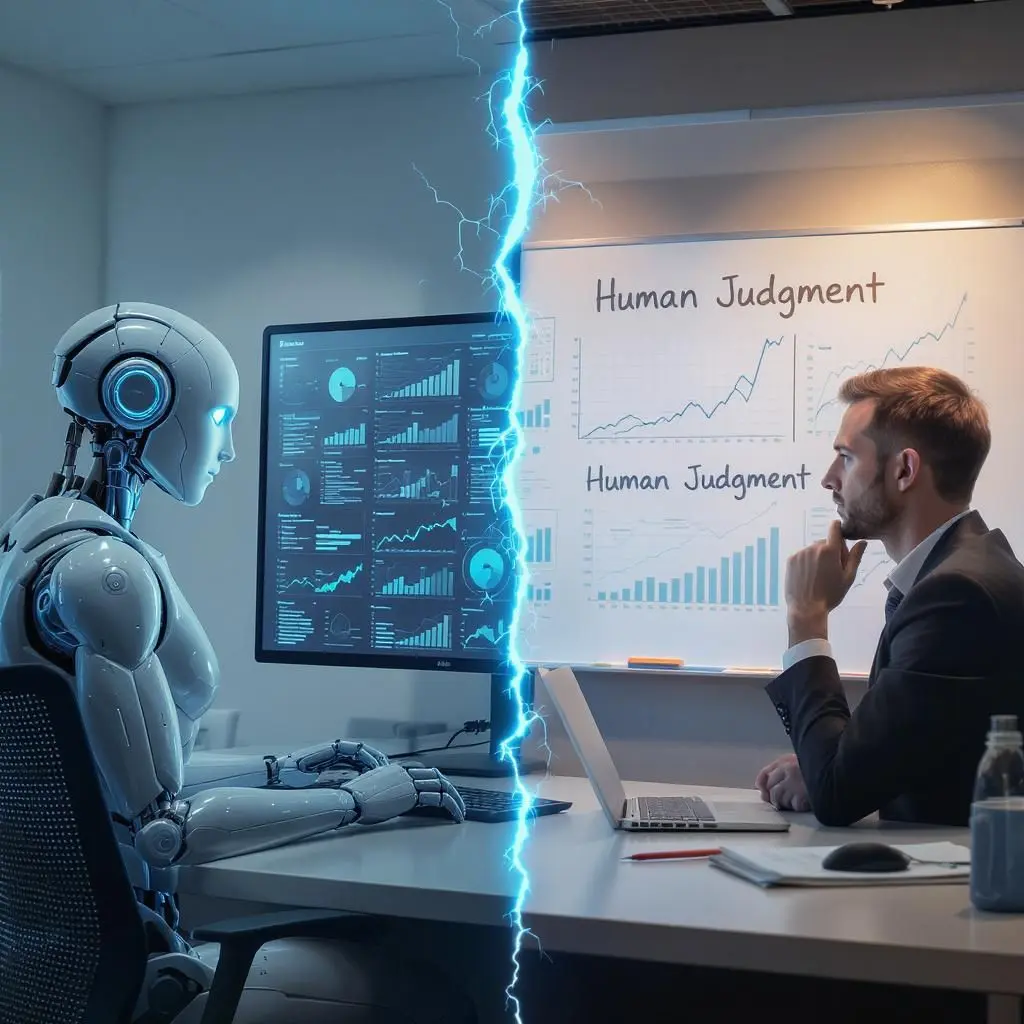
Although AI can automate many repetitive tasks, not every process should be fully automated. Human expertise, judgment, and emotional intelligence remain important in areas such as healthcare, education, customer service, and leadership. The most successful organizations often combine AI capabilities with human skills rather than replacing people entirely.
Neglecting Security and Privacy
AI systems often process large amounts of sensitive information. Failing to implement strong security measures can expose organizations to data breaches, cyberattacks, and privacy violations. Businesses should prioritize cybersecurity, data protection policies, and compliance with relevant regulations.
Focusing Only on Technology
Some organizations become so focused on the technical side of AI that they overlook business goals and user needs. Technology should support a clear objective. Before investing in AI, organizations should identify specific problems they want to solve and measure success using meaningful outcomes.
Underestimating Maintenance Requirements
Many people believe that once an AI system is deployed, it will continue working perfectly forever. In reality, AI models require ongoing maintenance, updates, and monitoring. Changes in customer behavior, market conditions, or new data can affect performance over time, making regular adjustments necessary.
Ignoring Ethical Considerations
Ethical concerns should never be treated as an afterthought. Decisions made by AI can affect people’s opportunities, finances, healthcare, and privacy. Organizations should establish ethical guidelines, ensure transparency, and regularly evaluate the impact of their AI systems on users and society.
Following Trends Without a Strategy
Some businesses adopt AI simply because competitors are doing so. Implementing artificial intelligence without a clear strategy can lead to wasted resources and disappointing results. A successful AI initiative should align with business objectives, customer needs, and long-term growth plans.
FAQs
What is artificial intelligence in simple terms?
Artificial intelligence is technology that allows computers and machines to perform tasks that typically require human intelligence, such as learning, problem-solving, understanding language, and recognizing patterns.
How does artificial intelligence learn?
Artificial intelligence learns by analyzing data and identifying patterns. Through training processes and algorithms, systems improve their performance and accuracy over time.
Is artificial intelligence replacing human jobs?
Artificial intelligence may automate certain tasks, but it also creates new opportunities and roles. Many experts believe AI will change jobs rather than eliminate all employment opportunities.
Where is artificial intelligence used today?
Artificial intelligence is used in healthcare, banking, retail, transportation, manufacturing, education, entertainment, customer service, cybersecurity, and many other industries.
What is machine learning?
Machine learning is a branch of artificial intelligence that enables systems to learn from data and improve performance without being explicitly programmed for every situation.
Is artificial intelligence safe?
Artificial intelligence can be safe when developed and used responsibly. However, concerns related to privacy, security, bias, and ethical decision-making require ongoing attention.
Expert Tips & Bonus Points
If you want to better understand artificial intelligence and stay ahead of technological changes, consider the following tips:
- Learn the fundamentals before exploring advanced topics.
- Focus on understanding data because data powers AI systems.
- Explore real-world examples from different industries.
- Stay informed about ethical and regulatory developments.
- Practice critical thinking when evaluating AI claims.
- Learn basic machine learning concepts to deepen understanding.
- Understand both the opportunities and limitations of AI.
- Follow industry trends and emerging innovations.
- Experiment with beginner-friendly AI tools and platforms.
- Develop digital literacy skills to adapt to future workplace demands.
Bonus Point: Artificial intelligence is not just a technology trend. It represents a long-term shift in how information is processed, decisions are made, and services are delivered. Those who understand its capabilities and limitations will be better prepared for future opportunities.
Conclusion
- Artificial intelligence is no longer a futuristic concept limited to science fiction movies or advanced research laboratories. It has become a practical and powerful technology that influences nearly every aspect of modern life. From the smartphones people use every day to healthcare systems, financial services, online shopping platforms, and transportation networks, artificial intelligence is helping organizations and individuals perform tasks more efficiently and make better decisions. As technology continues to evolve, the role of AI is expected to become even more significant across industries and daily activities.
- One of the reasons artificial intelligence matters so much is its ability to process vast amounts of information at incredible speed. Unlike traditional computer systems that follow fixed instructions, AI-powered systems can learn from data, identify patterns, and continuously improve their performance. This capability allows businesses to gain valuable insights, automate repetitive tasks, enhance customer experiences, and develop innovative products and services. For individuals, AI offers convenience, personalization, and access to tools that can simplify everyday activities.
- However, the growing influence of artificial intelligence also brings important responsibilities. Issues such as data privacy, security, transparency, bias, and ethical decision-making must be carefully addressed. While AI has the potential to create tremendous benefits, it should be developed and implemented responsibly to ensure that technology serves people fairly and effectively. Governments, businesses, educators, and technology professionals all have a role to play in creating standards and practices that encourage the responsible use of AI.
- For beginners, understanding artificial intelligence does not require advanced technical knowledge. Learning the basic concepts, applications, benefits, and limitations of AI can provide a strong foundation for navigating an increasingly digital world. As AI becomes more integrated into workplaces and everyday life, digital literacy and adaptability will become valuable skills for people in every profession.
- Looking ahead, artificial intelligence is likely to drive major advancements in healthcare, education, environmental sustainability, scientific research, manufacturing, and countless other fields. New innovations may help solve complex global challenges, improve productivity, and create opportunities that were previously unimaginable. At the same time, society must remain thoughtful about how these technologies are designed and used.
- Ultimately, artificial intelligence matters because it represents one of the most transformative technological developments of our time. Its ability to learn, analyze, and assist with decision-making has the potential to improve lives, strengthen businesses, and accelerate innovation on a global scale. By gaining a clear understanding of artificial intelligence today, individuals and organizations can better prepare for future opportunities, make informed decisions, and confidently participate in a world where AI continues to shape the future. The journey of artificial intelligence is only beginning, and its impact will likely be felt for generations to come.
