


Introduction
- The modern world is experiencing a rapid technological transformation, and one of the most significant developments in recent years has been the emergence of intelligent digital tools that assist people in learning, teaching, and working more efficiently. As educational institutions, businesses, and organizations continue to embrace digital solutions, the demand for smarter productivity tools has increased dramatically. Today, the Best AI Tools for Students, Teachers, and Professionals are helping millions of people save time, improve accuracy, enhance creativity, and accomplish tasks that once required hours of manual effort.
- In the past, students spent countless hours searching through textbooks, organizing notes, creating study schedules, and reviewing research materials. Teachers often dedicated significant portions of their time to lesson planning, grading assignments, preparing classroom resources, and tracking student performance. Professionals, meanwhile, faced growing workloads that involved managing projects, handling communication, analyzing data, preparing reports, and meeting tight deadlines. While these responsibilities remain important, modern technology has introduced new ways to complete them more effectively and with greater precision.
- The Best AI Tools for Students, Teachers, and Professionals are designed to act as intelligent assistants that support everyday tasks. Rather than replacing human skills and expertise, these tools help users work smarter by automating repetitive activities, organizing information, and providing useful recommendations. This allows individuals to focus more on critical thinking, creativity, problem-solving, and strategic decision-making.
- For students, these tools can make learning more engaging and productive. They can assist with note-taking, research organization, grammar improvement, study planning, and presentation creation. Instead of spending excessive time on routine academic tasks, students can focus on understanding concepts, developing skills, and achieving better learning outcomes. Whether someone is in high school, college, or pursuing advanced education, these technologies can provide valuable support throughout the learning journey.
- Teachers are also discovering the benefits of integrating intelligent tools into their educational workflows. Modern classrooms require educators to balance multiple responsibilities, including curriculum planning, student assessment, classroom management, communication with parents, and administrative duties. The right tools can simplify many of these tasks, enabling teachers to devote more attention to student engagement and personalized instruction. By reducing administrative burdens, educators can spend more time fostering meaningful learning experiences and helping students reach their full potential.
- Similarly, professionals across various industries are using advanced digital solutions to improve workplace productivity. From project managers and marketers to consultants, researchers, analysts, and entrepreneurs, professionals rely on efficient systems to manage growing workloads. The Best AI Tools for Students, Teachers, and Professionals can assist with scheduling, document creation, communication management, workflow automation, and data analysis. As a result, organizations can increase efficiency, reduce operational bottlenecks, and achieve better outcomes.
- One reason these tools have gained widespread popularity is their accessibility. In the past, sophisticated technology solutions were often expensive and limited to large organizations with substantial resources. Today, many platforms offer affordable subscription plans and even free versions, making advanced productivity features accessible to students, educators, freelancers, and small business owners. This democratization of technology has created opportunities for individuals from diverse backgrounds to benefit from tools that were once available only to specialists.
- Another important factor driving adoption is the increasing need for efficiency in a fast-paced environment. Educational expectations continue to rise, and workplaces demand higher levels of productivity than ever before. Students must manage multiple assignments, exams, and extracurricular activities. Teachers are expected to deliver engaging instruction while meeting administrative requirements. Professionals often juggle numerous projects and responsibilities simultaneously. Intelligent digital tools help users manage these demands more effectively without compromising quality.
- Despite their advantages, choosing the right solution can be challenging. The market is filled with countless options, each offering unique features, pricing models, strengths, and limitations. Some tools focus primarily on writing and communication, while others specialize in research, project management, collaboration, data analysis, or educational support. Understanding which platform best matches specific needs is essential for maximizing value and avoiding unnecessary complexity.
- It is also important to recognize that technology should be viewed as a supplement rather than a replacement for human judgment. While these tools can provide suggestions, automate workflows, and process large amounts of information quickly, they still require oversight and critical evaluation. Students must verify research findings, teachers must ensure instructional quality, and professionals must review outputs carefully before making important decisions. Successful users understand how to combine technological assistance with human expertise to achieve the best results.
- As innovation continues to advance, the capabilities of these tools are expected to become even more sophisticated. Future developments may further enhance personalization, collaboration, accessibility, and productivity across educational and professional environments. Individuals who learn how to use these resources effectively today will be better prepared to adapt to future changes and remain competitive in an increasingly digital world.
- This comprehensive guide explores the Best AI Tools for Students, Teachers, and Professionals, explains their importance, examines their advantages and limitations, and provides practical guidance for selecting and using them effectively. Whether you are a student seeking better study habits, a teacher looking to streamline classroom preparation, or a professional aiming to improve workplace productivity, understanding these tools can help you work more efficiently, achieve better results, and unlock new opportunities for growth and success.
What is Best AI Tools for Students, Teachers, and Professionals?
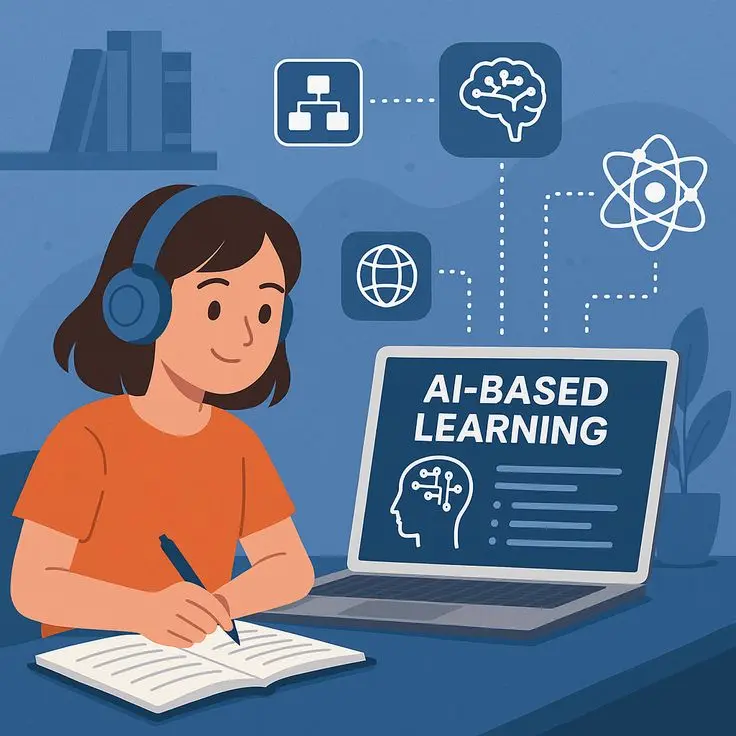
The term Best AI Tools for Students, Teachers, and Professionals refers to software applications that use advanced algorithms and automation to assist users with learning, teaching, research, communication, organization, content creation, data processing, and productivity tasks.
These tools are designed to analyze information, recognize patterns, generate useful suggestions, and automate repetitive activities. Instead of replacing human skills, they act as digital assistants that support decision-making and efficiency.
Examples include:
- Writing and editing tools
- Research assistants
- Note-taking platforms
- Presentation creators
- Scheduling and productivity applications
- Data analysis software
- Learning support tools
- Collaboration platforms
Different users have different requirements. Students may prioritize research and study assistance, teachers may need classroom management support, and professionals may focus on workflow optimization and project execution.
Why is Best AI Tools for Students, Teachers, and Professionals Important?
The importance of these tools continues to grow because educational and workplace environments are becoming increasingly demanding.
Here are several reasons why they matter:
Improved Productivity
Users can complete routine tasks more quickly, allowing more time for strategic thinking and creativity.
Better Organization
Many tools help manage schedules, assignments, meetings, deadlines, and projects in one place.
Enhanced Learning
Students gain access to personalized study support, practice materials, and simplified explanations.
Efficient Teaching
Teachers can develop learning resources faster and adapt lessons to different student needs.
Stronger Collaboration
Teams can communicate more effectively and work together regardless of location.
Faster Research
Information gathering, summarization, and analysis become more manageable and less time-consuming.
Reduced Administrative Work
Professionals and educators spend less time on repetitive documentation and reporting.
As a result, the Best AI Tools for Students, Teachers, and Professionals have become valuable resources in both academic and professional settings.
Detailed Step-by-Step Guide
Step 1: Identify Your Goals
Before choosing a tool, determine exactly what you want to accomplish.
Ask yourself:
- Do you need help with writing?
- Are you looking for research support?
- Do you need project management features?
- Is classroom assistance your primary goal?
Clear objectives make selection easier.
Step 2: Understand Your Daily Challenges
Create a list of tasks that consume most of your time.
For example:
- Note organization
- Lesson planning
- Content editing
- Meeting management
- Research activities
Identifying pain points helps narrow your options.
Step 3: Explore Different Categories
Different tools serve different purposes.
Common categories include:
- Writing and editing
- Research assistance
- Productivity management
- Presentation design
- Learning support
- Collaboration software
- Data analysis platforms
Choose categories that align with your needs.
Step 4: Compare Features
Evaluate important features such as:
- Ease of use
- Accuracy
- Customization
- Collaboration options
- Security measures
- Mobile accessibility
- Integration capabilities
Avoid selecting a tool based solely on popularity.
Step 5: Test Free Versions
Many platforms offer free plans or trial periods.
During testing:
- Evaluate performance
- Check response quality
- Review user interface design
- Assess workflow compatibility
Practical experience often reveals strengths and weaknesses that marketing materials overlook.
Step 6: Assess Cost and Value
A higher price does not always guarantee better performance.
Consider:
- Monthly subscriptions
- Annual plans
- Team pricing
- Feature limitations
- Long-term value
Choose solutions that fit your budget while delivering meaningful benefits.
Step 7: Prioritize Security
Students, teachers, and professionals often work with sensitive information.
Review:
- Privacy policies
- Data storage practices
- Access controls
- User permissions
- Compliance standards
Security should never be ignored.
Step 8: Learn Core Features
Once you select a platform, invest time in learning its capabilities.
Read documentation, watch tutorials, and practice regularly. Users who understand advanced features gain significantly more value.
Step 9: Integrate Into Daily Workflows
Gradually incorporate tools into existing routines.
Examples include:
- Organizing study sessions
- Creating lesson resources
- Managing projects
- Drafting reports
- Scheduling activities
Consistent use improves efficiency over time.
Step 10: Evaluate Results Regularly
Review performance every few months.
Ask:
- Is the tool saving time?
- Has productivity improved?
- Are outcomes better?
- Is there a more suitable alternative?
Continuous evaluation ensures long-term success.
Popular Tool Categories for Students
Students often benefit from:
- Study planners
- Note summarizers
- Research assistants
- Grammar checkers
- Citation generators
- Presentation builders
These tools help improve academic performance while reducing workload.
Popular Tool Categories for Teachers
Teachers frequently use:
- Lesson planning software
- Assessment creators
- Classroom management tools
- Presentation platforms
- Content development systems
- Learning analytics solutions
Such tools support instructional effectiveness and save preparation time.
Popular Tool Categories for Professionals
Professionals commonly rely on:
- Project management platforms
- Writing assistants
- Meeting organizers
- Scheduling systems
- Data analysis tools
- Team collaboration software
These applications streamline operations and support business growth.
Benefits of Best AI Tools for Students, Teachers, and Professionals

The Best AI Tools for Students, Teachers, and Professionals offer numerous advantages.
- Save time on repetitive tasks
- Improve productivity and efficiency
- Support faster decision-making
- Enhance organization and planning
- Strengthen communication quality
- Simplify research processes
- Improve writing and editing accuracy
- Help manage large volumes of information
- Increase collaboration among teams
- Support personalized learning experiences
- Reduce administrative workload
- Improve project tracking
- Encourage creativity and innovation
- Assist with data interpretation
- Provide scalable solutions for growing needs
These benefits make them valuable assets across education and business environments.
Disadvantages / Risks
Despite their advantages, users should understand potential limitations.
- Overreliance can reduce independent thinking
- Some tools may generate inaccurate information
- Privacy concerns may arise with sensitive data
- Subscription costs can become expensive
- Certain features require a learning curve
- Technical issues may interrupt workflows
- Output quality varies across platforms
- Not all recommendations are contextually accurate
- Excessive automation can reduce human oversight
- Compatibility issues may occur with existing systems
Understanding these risks helps users make informed decisions.
Common Mistakes to Avoid
Many people fail to maximize results because of avoidable mistakes.
Choosing Tools Without a Clear Purpose
Selecting software simply because it is popular often leads to disappointment.
Ignoring Training Resources
Many users skip tutorials and never discover valuable features.
Depending Completely on Automation
Human review remains essential for quality and accuracy.
Overlooking Privacy Settings
Always review data-sharing preferences before uploading sensitive information.
Using Too Many Tools
Managing numerous platforms can create confusion rather than efficiency.
Failing to Verify Information
Always confirm important details, especially in academic or professional work.
Neglecting Updates
Regular updates often improve performance and security.
Ignoring Feedback
Teachers, students, and team members can provide valuable insights regarding usability and effectiveness.
FAQs
What are the best AI tools for students, teachers, and professionals?
The best options depend on individual goals. Some focus on writing assistance, others support research, productivity, collaboration, lesson planning, or project management. The ideal choice is the one that addresses your specific needs effectively.
Are these tools suitable for beginners?
Yes. Most modern platforms are designed with user-friendly interfaces and simple navigation. Beginners can typically learn core functions within a short period and gradually explore advanced features
Can students use these tools for research?
Yes. Many tools help organize information, summarize content, identify key points, and improve study efficiency. However, students should always verify important facts independently.
How do teachers benefit from these tools?
Teachers can save time creating lesson plans, designing assessments, organizing classroom materials, and tracking student progress. This allows more focus on instruction and student engagement.
Are these tools secure?
Security varies by provider. Users should review privacy policies, data protection measures, and account settings before sharing confidential information.
Do professionals need technical skills to use them?
Most tools require minimal technical expertise. Basic computer literacy is usually enough to get started. Advanced features may require additional learning.
Expert Tips & Bonus Points
To gain maximum value from the Best AI Tools for Students, Teachers, and Professionals, consider the following recommendations:
Focus on One Tool First
Mastering one platform is usually more effective than using several tools poorly.
Create Standard Workflows
Develop repeatable processes for studying, teaching, or project management.
Combine Human Skills With Automation
Use technology to support decision-making rather than replace critical thinking.
Review Outputs Carefully
Always edit, verify, and refine generated content before final use.
Stay Updated
New features appear regularly. Keeping up with updates can significantly improve results.
Track Productivity Improvements
Measure time saved and outcomes achieved to determine whether a tool is truly beneficial.
Protect Sensitive Information
Use strong passwords, enable security features, and avoid sharing confidential data unnecessarily.
Encourage Continuous Learning
Technology evolves rapidly. Regular learning helps users remain competitive and efficient.
Use Collaboration Features
Many platforms offer shared workspaces that improve teamwork and communication.
Evaluate Return on Investment
Whether you are a student, teacher, or professional, assess whether the benefits justify the costs.
Conclusion

- The rapid advancement of technology has fundamentally changed the way people learn, teach, and perform professional tasks. As educational institutions and workplaces continue to evolve, the Best AI Tools for Students, Teachers, and Professionals have emerged as valuable resources for improving productivity, organization, communication, and overall efficiency. These tools are no longer considered optional conveniences; they are becoming essential components of modern academic and professional success.
- For students, intelligent digital tools offer opportunities to enhance learning experiences, improve time management, simplify research, and strengthen academic performance. By helping organize information, create study plans, and streamline assignments, these solutions allow learners to focus more on understanding concepts and developing critical thinking skills rather than spending excessive time on repetitive tasks. As educational requirements become more demanding, students who effectively utilize these tools can gain a significant advantage in managing their workload and achieving their goals.
- Teachers also benefit tremendously from adopting modern productivity technologies. From lesson planning and content creation to assessment preparation and classroom management, these tools help educators reduce administrative burdens and dedicate more time to student engagement. The ability to personalize learning experiences, monitor progress, and create high-quality educational resources more efficiently can lead to better outcomes for both teachers and students. In an increasingly digital educational environment, leveraging the right tools can help educators remain effective, organized, and adaptable.
- Similarly, professionals across virtually every industry are discovering how intelligent tools can improve workplace performance. Whether managing projects, analyzing information, coordinating teams, creating reports, or handling communication, these technologies enable professionals to work more efficiently and make better use of their time. Organizations that embrace innovative productivity solutions often experience improved collaboration, streamlined workflows, and enhanced decision-making processes, contributing to long-term growth and success.
- However, it is important to remember that technology should support human capabilities rather than replace them. While the Best AI Tools for Students, Teachers, and Professionals can automate many tasks and provide valuable insights, they cannot replace creativity, judgment, emotional intelligence, experience, or critical thinking. Successful users understand the importance of reviewing outputs, verifying information, and applying their own expertise when making important decisions. The most effective results are achieved when human skills and technological assistance work together.
- Choosing the right tool requires careful consideration of individual goals, budget, usability, security, and long-term value. Not every platform is suitable for every user, which is why evaluating needs and testing available options is an essential part of the selection process. A thoughtful approach ensures that users invest their time and resources in solutions that genuinely improve their workflows and deliver meaningful benefits.
- Looking ahead, technological innovation will continue to introduce new features and capabilities that further enhance learning, teaching, and professional productivity. Those who stay informed, remain adaptable, and embrace continuous learning will be best positioned to take advantage of these advancements. By understanding how to select, implement, and use the Best AI Tools for Students, Teachers, and Professionals, individuals can improve efficiency, achieve higher levels of performance, and prepare themselves for success in an increasingly technology-driven world.
